Table of contents
Proper maintenance of firefighting equipment during the off-season is not just a technical requirement but a responsible practice that ensures readiness and safety. Neglect during downtime can lead to malfunctions or failures when it matters most, which could endanger lives and property. Discover, in the following sections, how meticulous care and routine checks can help preserve the effectiveness and reliability of your firefighting tools, setting you up for success when duty calls.
Inspection and documentation
Conducting a thorough firefighting equipment inspection during the off-season is a vital part of off-season maintenance. Begin with a visual examination to spot any physical damage, corrosion, or wear on hoses, nozzles, extinguishers, and personal protective gear. Assess all seals and gaskets to confirm integrity, as even minor leaks can compromise function. Verification of pressure gauges and valves ensures that pressurized cylinders maintain required levels, supporting overall fire safety checks. Use a detailed checklist tailored to your facility’s specific assets, enabling consistent preventive maintenance procedures. This process not only extends equipment lifespan but also guarantees operational readiness when emergencies arise.
Systematic equipment record-keeping is equally necessary in asset tracking, as it allows for easy retrieval of past inspection results and maintenance histories. The designated safety officer must execute each step, validate findings, and sign off on completed tasks to ensure accountability. Digital record systems often streamline this process, improving accuracy and traceability of all activities related to off-season maintenance. For individuals interested in the broader applications of preventive safety practices, including solutions for equipment management outside regulated frameworks, casinos not on Gamstop offers an example of platforms that emphasize robust checks and secure operations. Visit casinos not on Gamstop for further insights into non-standard compliance strategies.
Cleaning and decontamination
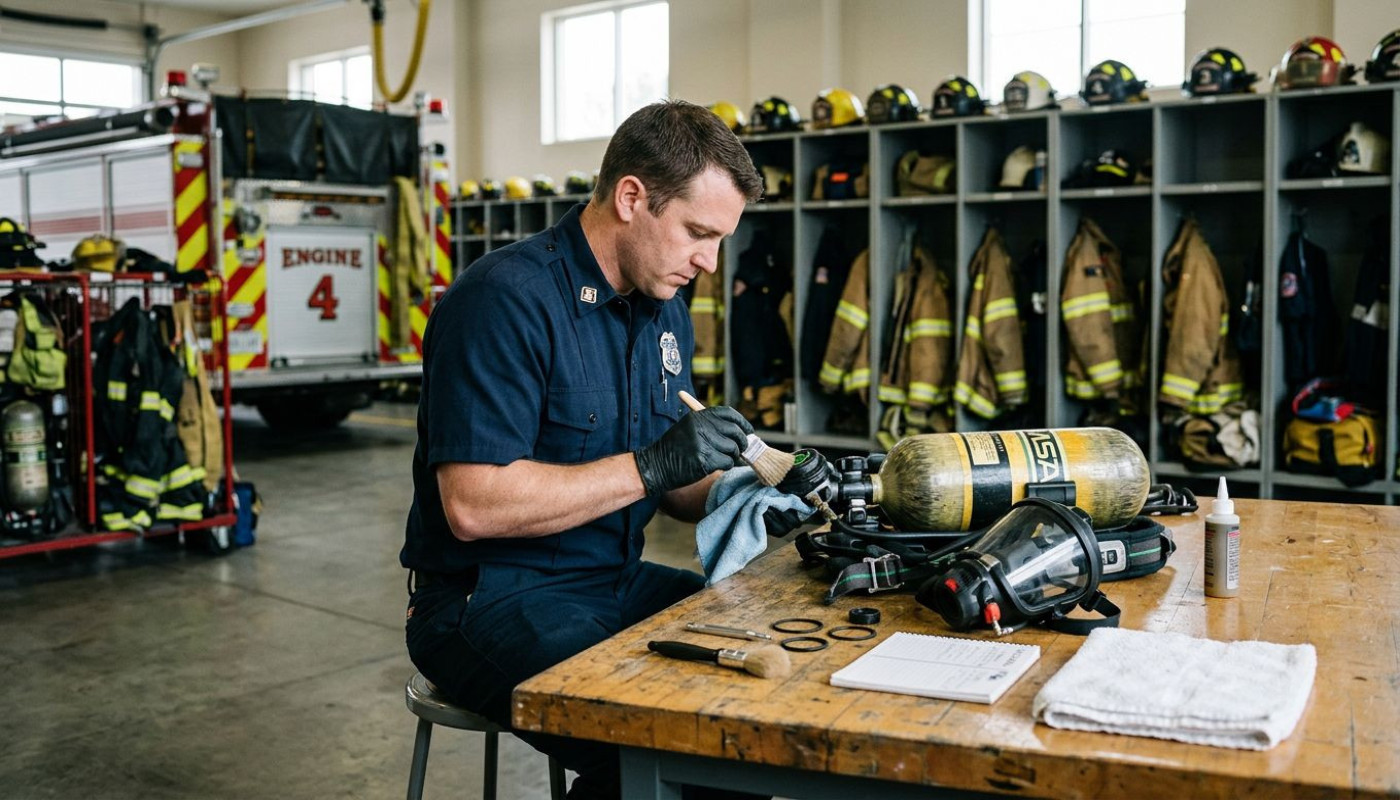
Effective firefighting equipment cleaning requires a structured decontamination protocol overseen by the highest-ranking fire department officer to ensure safety standards are met. Begin by rinsing all fire hoses and nozzles with low-pressure water to dislodge debris, followed by scrubbing surfaces using approved detergents. Specialized brush attachments help remove soot and particulate buildup from hose linings and nozzle interiors, reducing the risk of corrosion and functional impairment. For PPE maintenance, such as turnout gear, gloves, and helmets, isolated washing machines and detergents designed for hazardous material removal are applied to extract toxic residues while preserving fabric integrity. Biohazard removal is addressed with disinfectants targeting bloodborne pathogens and chemical contaminants; each item is thoroughly rinsed and air-dried in ventilated storage to prevent microbial growth. Regular inspection for lingering contamination or physical damage is vital before returning equipment to service, ensuring comprehensive fire hose care and the safety of all personnel.
Storage conditions optimization
Proper firefighting equipment storage during the off-season hinges on maintaining optimal environmental conditions within storage spaces. Humidity control is a primary consideration, as excess moisture can accelerate corrosion and degrade both metal and composite components. Utilizing climate-controlled storage provides a reliable solution, ensuring stable temperature and humidity levels that guard against rust and mold. Firehouse chiefs should ensure that storage areas remain well-ventilated and away from direct sunlight, as ultraviolet exposure and fluctuating temperatures can weaken hoses, seals, and electronics. For enhanced corrosion prevention, shelving and racks should be constructed from non-corrosive materials or coated to resist rust, and sensitive items such as nozzles, valves, and connectors benefit from regular inspections and light lubrication before storage. Secure storage solutions, including lockable cabinets or designated equipment zones, reduce the risk of unauthorized access or accidental damage. By overseeing and managing these storage preparations, the firehouse chief helps preserve expensive gear, ensuring operational readiness when the active season returns.
Battery and power source care
Battery maintenance firefighting protocols play a pivotal role in ensuring the reliability and safety of vital equipment like radios, thermal imaging cameras, and lighting tools. During the off-season, power source care involves thorough battery management, which includes regular charging to prevent deep discharge and capacity loss, as well as adhering to a battery replacement schedule based on manufacturer guidelines. Implementing power cycle maintenance, where batteries are periodically fully charged and discharged, helps prolong battery life and optimize performance. Voltage testing should be routinely performed to identify underperforming or failing firefighting equipment batteries, allowing timely replacements before active duty resumes.
Assigning these tasks to the electrical systems supervisor ensures accountability and consistent battery maintenance firefighting procedures. The supervisor should keep detailed records of voltage testing results, maintenance actions, and battery replacement dates for all power-dependent devices. This systematic approach to battery management and power source care minimizes the risk of equipment failure when operational readiness is critical, guaranteeing that all firefighting tools remain dependable and efficient throughout the off-season and beyond.
Scheduled training and drills
Consistent firefighting training off-season significantly boosts operational readiness by keeping teams sharp and confident. Engaging in equipment readiness drills and fire safety drills enables personnel to practice critical tasks, ensuring that standard operating procedures (SOPs) become second nature. These activities not only maintain familiarity with each tool but also help identify potential faults before emergencies arise. Equipment operation training allows staff to handle, inspect, and maintain gear in controlled scenarios, reinforcing knowledge of proper maintenance routines. Responsibility for arranging and monitoring such sessions falls to the lead training officer, who ensures that every member participates and that all exercises align with current SOPs. This structured approach supports a seamless, swift response when the need arises and upholds the highest standards of safety and preparedness during the off-season.
Similar

How Do Regional Networks Enhance Community Development?

How Responsible Gaming Practices Contribute To Financial Stability

Exploring The Benefits Of Traditional Japanese Crafts In Modern Homes

Exploring Innovative Strategies For Online Music Distribution And Discovery

The Essentials Of Maintaining A Poker Face In Digital Games

Understanding RTP: Key Facts For Players Of Road Crossing Games

What To Expect From Customer Service In Online Gaming Environments

The Role Of Social Media In Promoting Online Casino Platforms

Exploring the Impact of AI on Online Gambling

The Influence of Celebrity Culture on Gambling Trends

The Strange and Unusual Side of Gambling

Exploring the Dark Side of Problem Gambling
